

Listening to Your Nervous System This February

By Sarah Rossman, CDT MSW Intern
The Quiet Kind of Self-Care
February often gets reduced to flowers and romance.
But real self-care is quieter and braver than that. It’s noticing when your body is exhausted.
It’s acknowledging pain instead of pushing through it. It’s asking, What does my nervous system actually need right now?
This month, we’re leaning into a deeper kind of love: the kind that includes chronic pain, emotional overwhelm, and the courage to change patterns that no longer serve us. We’re also continuing to build support for those living with chronic pain, including education around modern pain science and our developing Ketamine-Assisted Psychotherapy (KAP) offerings. Because self-care shouldn’t feel like an indulgence.
Understanding Chronic Pain
Chronic pain is pain that persists beyond the normal healing time for tissue (typically 3–6 months). But modern neuroscience shows us something important: Chronic pain is not simply about damaged tissue.
Over time, the nervous system can become overly sensitized, which means the brain learns pain. Neural pathways become efficient at sending danger signals, even when the body is no longer injured. Think of pain as a smoke detector, as its role is to protect you by alerting you to danger. When you experience an acute injury, the alarm sounds because there truly is “smoke” or tissue damage that needs attention.
With chronic pain, however, the brain can remain on high alert long after healing has occurred. The alarm system becomes overly sensitive. It may sound during everyday activities, such as making toast or stepping into a warm shower.
The alarm is loud. The sensation is real. But there is no active fire.
Chronic pain is often driven by:
Nervous system sensitization
Stress and trauma history
Unprocessed emotions
Fear of movement
Learned pain pathways
Hyper-vigilance in the brain’s threat system
In other words, chronic pain is not a character flaw or a sign of weakness. It is a nervous system stuck in protection mode. Understanding this shifts self-care from “try harder” to “feel safer.”

How Could Ketamine-Assisted Therapy Help?
Ketamine-Assisted Psychotherapy (KAP) is not a stand-alone medication treatment. The therapy, preparation, and integration are essential. Ketamine acts on the glutamate system in the brain and temporarily increases neuroplasticity, the brain’s ability to form new connections.
In chronic pain, pain pathways can feel like deep ruts in a dirt road, in turn, making the brain automatically default to them.
Ketamine may:
Temporarily quiet rigid threat pathways
Increase cognitive flexibility
Loosen entrenched pain narratives
Support emotional processing tied to pain
Create a window for rewiring patterns in therapy
The medicine opens a window, while Therapy helps you walk through it.
For individuals whose nervous systems feel locked into pain cycles, KAP can be one tool, used thoughtfully and collaboratively, to support meaningful change. If you’re Interested In more Information about KAP, or would like to be a part of a KAP cohort-style group at CDT for help managing the psychological Impacts of pain, you can inquire here.
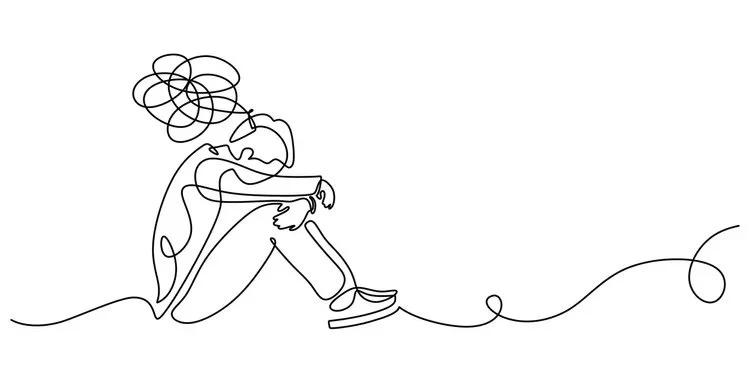
A gentle self-reflection checklist for the month
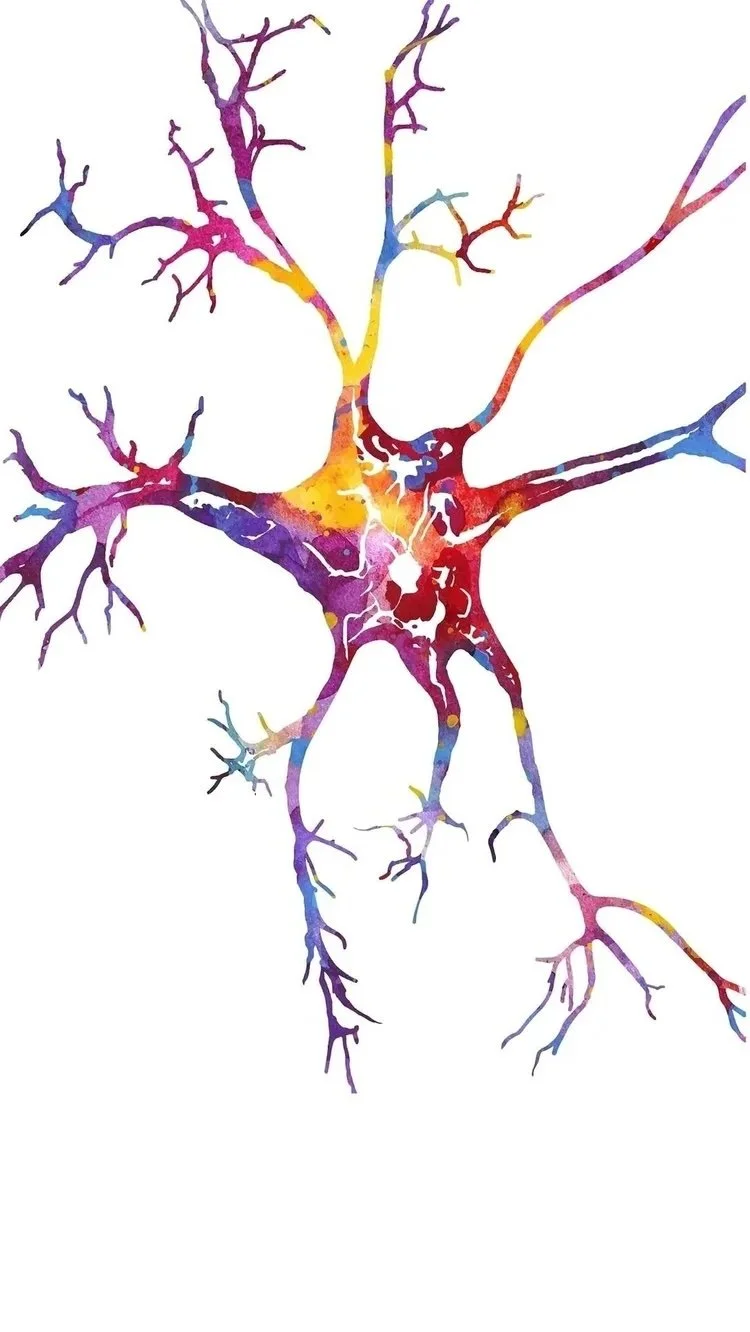
Before any intervention, medication, therapy, or group work, change begins with awareness. If chronic pain is partially learned, then new pathways can also be learned.
☐ I notice when my body feels tense or braced
☐ I pause instead of immediately reacting to discomfort
☐ I move my body in ways that feel safe, not punishing
☐ I speak to myself with less urgency and more compassion
☐ I practice one small new behavior each week
☐ I reduce “all-or-nothing” thinking about pain
☐ I expose myself gradually to movements I’ve been avoiding
☐ I engage in something that brings curiosity or joy
☐ I allow rest without guilt

Healing is a journey meant to be walked with care and curiosity. When you’re ready to take the next step, we’re here to walk beside you.
Disclaimer:
The information shared in this blog is for educational and informational purposes only. It is not a substitute for professional mental health treatment, diagnosis, or medical advice. Reading this blog does not create a therapist–client relationship with Caught Dreamin’ Therapy or any of its providers.
If you are experiencing a mental health concern, please contact a licensed professional in your area. If you are in crisis or need immediate support, call 911 or visit your nearest emergency room. In Michigan, you can also reach the 24/7 Crisis & Access Line at 988.
