Book Review: The New Menopause
by Mary Claire Haver, MD
Over the past year or two, I've noticed something that feels long overdue: menopause has finally become part of the conversation. Social media is filled with women openly sharing their experiences, physicians are educating the public, and the silence surrounding this stage of life is beginning to fade.
As someone who is 49 and turning 50 next year, I find myself in the middle of this transition. Like many women, I've spent decades getting to know my body—from getting my first menstrual cycle the summer before sixth grade, to experiencing debilitating cramps and heavy bleeding throughout high school and college.
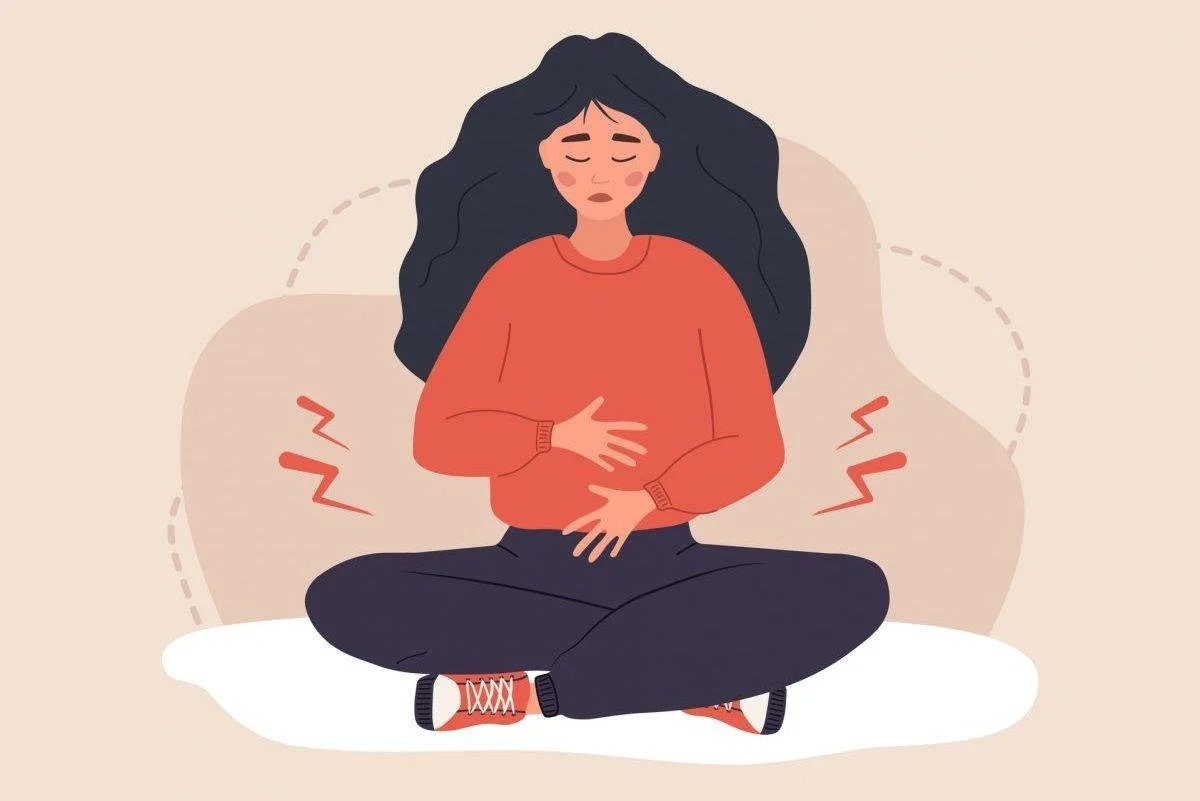
I vividly remember those college years. When the pain became overwhelming, I would retreat to my bed if I could, lie quietly, focus on my breathing, take a couple of ibuprofen, and wait for the cramps to pass. Unfortunately, there were many days when resting wasn't an option. I worked as a barista, spending long hours on my feet serving customers. During those shifts, I would steal a few quiet moments to sit down, breathe through the pain, and then get back to work. Looking back, those moments taught me resilience, but they also remind me how little we often talk about women's pain.
Over the years, I've explored different options to manage my symptoms. I've tried birth control, and I also tried an IUD, although it ultimately wasn't right for me. More recently, my husband—who is a Doctor of Osteopathic Medicine—began pursuing additional education in hormone replacement therapy as part of our shared journey toward understanding healthy aging. His knowledge has been an invaluable resource as we've worked together to determine what makes the most sense for my health.
I started taking progesterone when sleep became increasingly difficult, and it has made a remarkable difference in helping me sleep more consistently. More recently, I added an estradiol patch, which has helped stabilize my mood and has virtually eliminated the frequent hot flashes that had started becoming part of my daily life. I've always tended to run warm, but these hot flashes were different—intense, sudden, and impossible to ignore. Thankfully, they've become a thing of the past.
It was during this year that I discovered Dr. Mary Claire Haver.
I first came across her educational videos on social media and quickly appreciated her ability to explain menopause in a way that was both evidence-based and compassionate. What I value most is her commitment to educating women.
In The New Menopause, Dr. Haver shares something that surprised me: despite being an OB-GYN, she realized there was a significant gap in medical education surrounding menopause. Physicians receive extensive training in pregnancy, contraception, and reproductive health, but menopause often receives comparatively little attention. Recognizing this gap, she dedicated herself to becoming an expert in menopause care and hormone replacement therapy.
That passion shines throughout the book.
Reading The New Menopause often felt like having a knowledgeable companion sitting beside me saying, "Yes, this is real."
Sleepless nights? Yes.
Hot flashes? Yes.
Brain fog? Absolutely.
Anxiety? Been there.
There was comfort in realizing I wasn't imagining these changes—and I certainly wasn't alone.
For years, many of us heard the same definition: if you've gone 12 consecutive months without a menstrual period, congratulations—you've officially reached menopause.
Well...I'm not quite there yet.
I believe I'm on that path, but I haven't reached the one-year milestone. In many ways, perimenopause feels like the longest introduction to menopause itself. It's a stage filled with questions, changing hormones, and symptoms that often seem to arrive without warning.
One aspect of Dr. Haver's book that I especially appreciated was her explanation of how menopause affects far more than our reproductive system.
As estrogen declines, changes can occur throughout the body. Cholesterol levels may increase, body composition shifts, bone health becomes increasingly important, sleep changes, mood fluctuates, and even brain function can feel different.
This chapter particularly resonated with me.
I've always prioritized healthy eating. My diet is rich in vegetables, lean meats, low in sugar, and I drink plenty of water. I exercise regularly and have always tried to be mindful of my health. Yet my recent lab work showed that my cholesterol had increased.
Reading the explanation in The New Menopause helped me understand that this isn't necessarily a reflection of poor habits. Hormonal changes themselves can influence cholesterol and other health markers. That realization brought me relief—and a better understanding of what my body is experiencing.
I'm fortunate to have a primary care Nurse Practitioner I trust, even though menopause and hormone replacement therapy are not her area of specialty. I'm equally grateful for my husband's additional training in hormone therapy, which has provided another layer of support as I navigate these changes.
Every woman's experience with menopause is unique.
Some women begin perimenopause earlier than expected, while others transition later. Genetics, reproductive history, body composition, race and ethnicity, smoking history, and other health factors can all influence how menopause unfolds.
Knowledge doesn't eliminate the experience—but it does reduce fear.
Another unexpected benefit of this book has been how it has deepened my understanding of the menstrual cycle itself. Learning more about ovulation, the luteal phase, and hormonal fluctuations has also influenced my work as a therapist. I'm seeing more clients receiving diagnoses of Premenstrual Dysphoric Disorder (PMDD), and it makes me wonder whether we're witnessing an increase in the condition—or simply getting better at recognizing it.
I suspect it's the latter.
Science continues to evolve. Research is expanding. Social media has amplified women's voices. More women are asking questions, sharing experiences, and advocating for themselves in medical appointments.
That's a very good thing.
For far too long, many women were told that difficult periods, mood changes, hot flashes, exhaustion, or brain fog were simply something to endure. Today, we're learning that there are evidence-based treatments, lifestyle approaches, and supportive healthcare professionals who can help women navigate this stage of life.
My biggest takeaway from The New Menopause is this:
Ask questions.
If you feel dismissed, seek another opinion.
If you don't understand what's happening in your body, keep learning.
Your symptoms matter. Your experiences are real. And you deserve healthcare professionals who will listen and help you make informed decisions about your health.
Whether you're in your thirties wondering about your cycle, entering perimenopause, or well into menopause, this book offers practical information, reassurance, and hope.
Women deserve to understand their bodies—not just during puberty, pregnancy, or motherhood, but throughout every stage of life.
I highly recommend The New Menopause to any woman who wants to better understand the remarkable changes her body is experiencing. Knowledge is empowering, and informed conversations with your healthcare provider can help you decide what approaches are most appropriate for your individual health and circumstances.
After all, menopause isn't the end of our story.
It's simply the beginning of a new chapter.
Jamie Fiorucci, LMSW 🌹